Have you ever experienced that "gut feeling" about something? It turns out, there's remarkable science behind that intuition. Your gut is home to trillions of microorganisms—bacteria, viruses, and fungi—that collectively form what scientists call the microbiome. And researchers are discovering that this internal ecosystem influences far more than just digestion.
Recent groundbreaking studies have revealed that your gut microbiome directly impacts your immune system, mental health, weight management, and even your risk of chronic diseases. The implications are profound: by nurturing your gut health, you may be able to transform your overall wellbeing.
Did you know?
Research from Harvard Medical School found that the gut microbiome contains over 100 trillion microorganisms—that's more than 10 times the number of human cells in your body.
The Gut-Brain Connection: More Than Just a Feeling
The connection between your gut and brain is so significant that scientists often refer to the gut as the "second brain." This isn't just metaphorical—your gut contains over 500 million neurons and produces about 95% of your body's serotonin, the neurotransmitter responsible for regulating mood.
Dr. Emily Watson, a gastroenterologist at Johns Hopkins University, explains: "The gut-brain axis is a bidirectional communication system. Stress can affect your digestion, and conversely, an unhealthy gut can contribute to anxiety and depression. This is why addressing gut health is increasingly becoming part of mental health treatment protocols."
Why Your Microbiome Matters for Weight Management
If you've ever struggled to lose weight despite diet and exercise, your gut bacteria might be part of the puzzle. Research has shown that the composition of gut bacteria differs significantly between lean and overweight individuals.
- Metabolism regulation: Certain gut bacteria help extract calories from food more efficiently, affecting weight gain or loss
- Appetite control: Gut microbes produce short-chain fatty acids that signal fullness to your brain
- Inflammation reduction: A balanced microbiome helps reduce chronic inflammation linked to obesity
- Blood sugar balance: Healthy gut bacteria improve insulin sensitivity and glucose regulation
Real-Life Transformations
Consider the experience of Margaret, a 58-year-old teacher from Ohio who had battled digestive issues, fatigue, and stubborn weight for decades:
"I tried every diet imaginable, but nothing worked long-term. Once I started focusing on my gut health—eating fermented foods, and reducing processed foods—everything changed. Within three months, I lost 20 pounds without counting a single calorie, my energy skyrocketed, and those afternoon brain fog episodes disappeared completely."
The Modern Approach to Gut Health
Traditional approaches to digestive health often focused solely on fiber and hydration. While these remain important, modern microbiome science has revealed a more nuanced picture of what it takes to cultivate a thriving gut ecosystem.
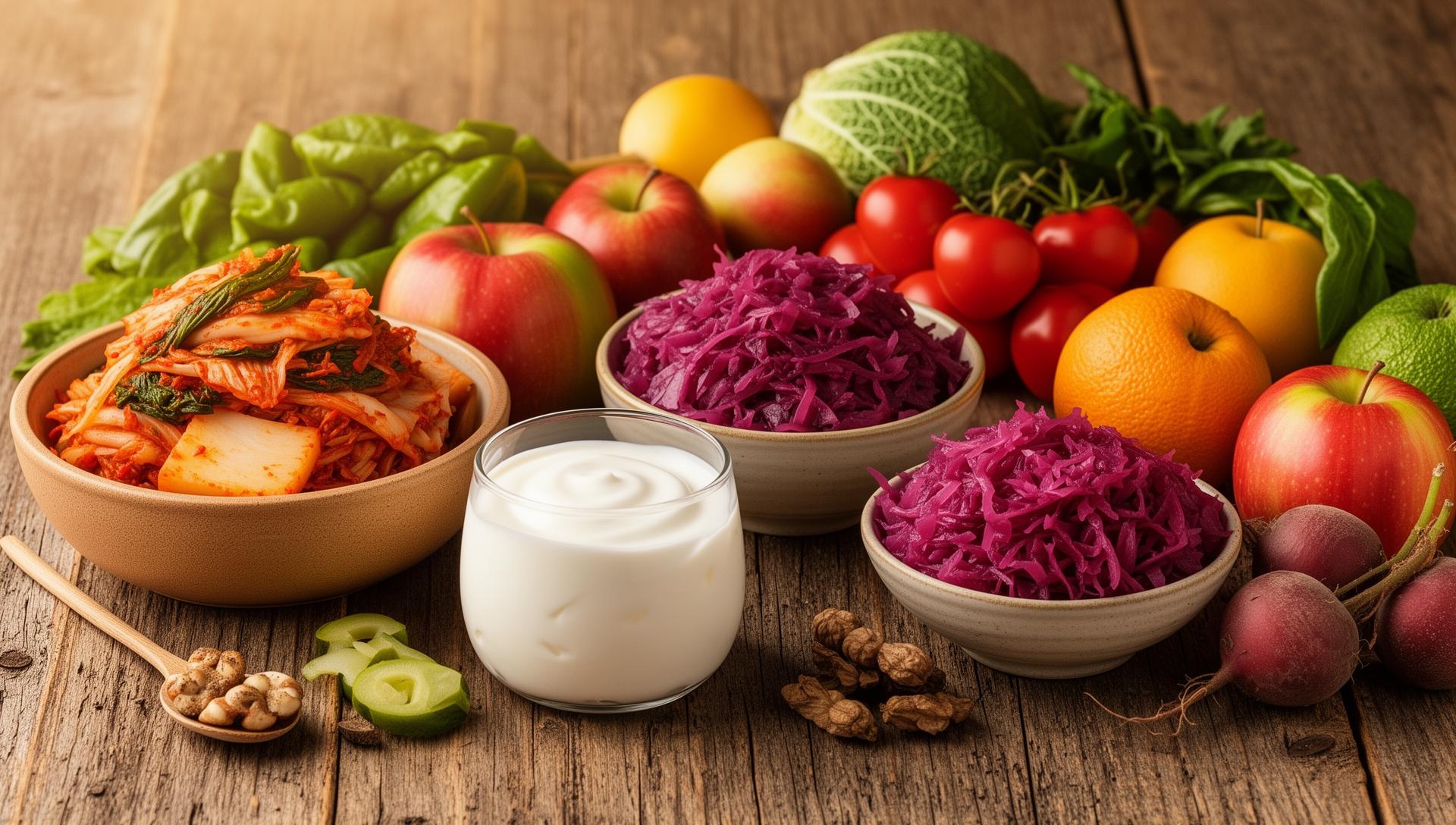
The most effective approach combines multiple strategies: diversifying your diet with a wide range of plant foods, incorporating fermented foods like kimchi and kefir, managing stress through mindfulness practices, getting adequate sleep, and when appropriate, using targeted probiotic supplements that deliver specific beneficial strains.
Immune System Fortress: Your Gut's Hidden Role
Perhaps the most remarkable discovery about the microbiome is its role in immunity. Approximately 70-80% of your immune cells reside in your gut, making it the largest immune organ in your body. A diverse, balanced microbiome trains your immune system to distinguish between harmful invaders and harmless substances.
This has profound implications for allergies, autoimmune conditions, and even your ability to fight off infections. Studies have shown that people with more diverse gut microbiomes have stronger immune responses and recover faster from illnesses.
Simple Steps to Start Improving Your Gut Health Today
The good news is that your microbiome is remarkably adaptable. Research shows that dietary changes can begin shifting your gut bacteria composition within just 24-48 hours. Here are evidence-based steps you can take immediately:
- Eat the rainbow: Aim for 30 different plant foods per week to feed diverse bacterial strains
- Add fermented foods daily: Yogurt, sauerkraut, kimchi, or kombucha introduce beneficial bacteria
- Prioritize sleep: Poor sleep disrupts the microbiome within just two days
- Manage stress: Chronic stress changes gut bacteria composition unfavorably
- Limit artificial sweeteners: They can negatively alter gut bacteria and glucose metabolism
The science is clear: investing in your gut health is one of the most impactful decisions you can make for your overall wellness. Whether you're looking to boost energy, improve mood, manage weight, or strengthen immunity, it all starts with the trillions of microscopic allies living in your digestive system.