Superfoods Debunked: Separating Hype from Science
Every year, a new "superfood" takes the health world by storm. From acai bowls to turmeric lattes, these nutrient-dense foods promise everything from weight loss to disease prevention. But how much of this is backed by science—and how much is just clever marketing?
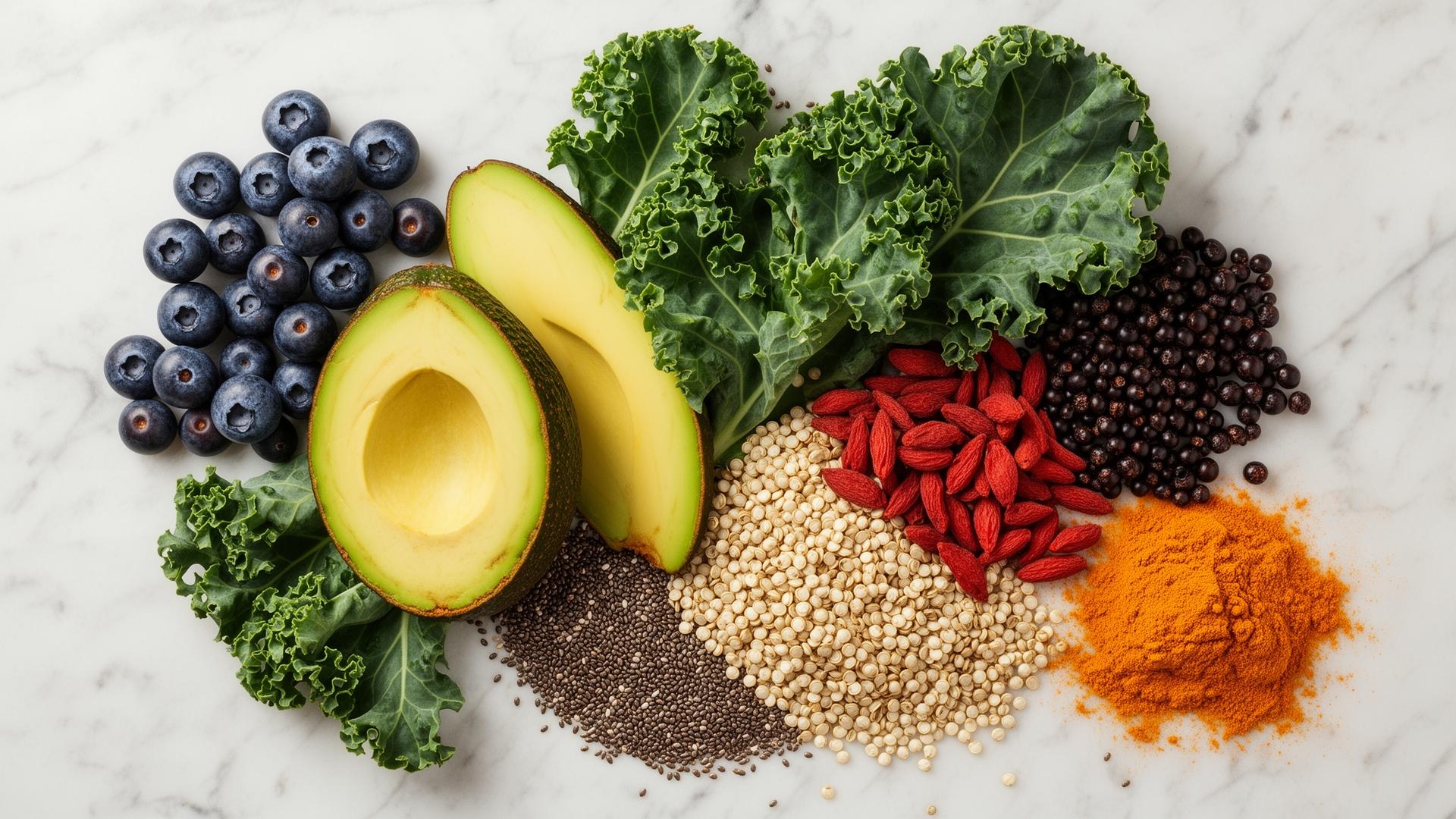
Key Insight: The term "superfood" is a marketing term, not a scientific classification. No single food can provide all the nutrients your body needs.
What Exactly Is a "Superfood"?
The term "superfood" has no official definition in nutrition science. It's a label created by marketers to describe foods that are particularly nutrient-dense—meaning they pack a lot of vitamins, minerals, and antioxidants relative to their calorie content.
Dr. Marion Nestle, professor of nutrition at New York University, explains: "The term 'superfood' is essentially meaningless from a scientific standpoint. All whole foods are beneficial when consumed as part of a balanced diet. Singling out specific foods as 'super' can actually mislead consumers into thinking they can compensate for poor dietary choices."
The Science Behind Popular Superfoods
Let's examine what research actually says about some of the most hyped superfoods of recent years:
Blueberries: The Antioxidant Powerhouse
Blueberries genuinely are packed with antioxidants called anthocyanins, which give them their deep blue color. Studies have shown that regular blueberry consumption may improve memory function and reduce inflammation.
The Reality: While blueberries are nutritious, you'd need to consume unrealistic quantities to achieve the concentrations used in many laboratory studies. They're a healthy snack—but they won't single-handedly prevent cognitive decline.
Kale: The Green Revolution
Kale became the poster child of the superfood movement in the 2010s. It's undeniably nutritious, containing high levels of vitamins K, A, and C, plus fiber and various minerals.
The Reality: Kale is excellent, but so are spinach, broccoli, and swiss chard. The obsession with kale specifically was largely a marketing phenomenon rather than a nutritional breakthrough.
Did You Know? Research from Harvard Medical School found that people who eat a variety of vegetables show better health outcomes than those who focus on specific "superfoods."
Turmeric and Curcumin: The Golden Spice
Turmeric's active compound, curcumin, has been studied extensively for its anti-inflammatory properties. Laboratory studies show promising results for conditions ranging from arthritis to depression.
The Reality: Here's the catch—curcumin has extremely low bioavailability. Your body absorbs only about 1% of what you consume. The amounts used in studies often require concentrated supplements, not sprinkles of turmeric in your latte.
Acai Berries: Amazon's Gift
Acai berries contain antioxidants, fiber, and heart-healthy fats. They've been marketed as weight-loss miracles and anti-aging solutions.
The Reality: Most weight-loss claims around acai are completely unsubstantiated. While nutritious, they're no more beneficial than other berries—and often come with significant added sugars in commercial products.
The Problem with Superfood Marketing
The superfood industry is worth billions of dollars, and that money creates incentive for exaggeration. Common marketing tactics include:
- Cherry-picking studies: Highlighting positive results while ignoring contradictory evidence
- Laboratory vs. reality: Using concentrations impossible to achieve through normal eating
- Correlation claims: Suggesting that because traditional cultures eat certain foods and live long, the food is the cause
- Exotic appeal: Marketing foreign foods as superior to equally nutritious local options
"The best diet isn't about superfoods—it's about eating a wide variety of whole foods while limiting processed foods and added sugars."
— Dr. David Katz, Yale Prevention Research Center
What Actually Works: Evidence-Based Nutrition
Instead of chasing the latest superfood trend, nutrition scientists recommend focusing on these proven principles:
1. Eat the Rainbow
Different colored fruits and vegetables contain different phytonutrients. Eating a variety ensures you get the full spectrum of benefits—no single food can provide them all.
2. Prioritize Whole Foods
Minimally processed foods retain more nutrients and fiber. An apple is better than apple juice, which is better than apple-flavored candy.
3. Balance, Not Restriction
No single food is a magic bullet, and no single food is poison. A balanced approach that includes occasional treats is more sustainable than rigid superfood regimens.
4. Consider the Source
Local, seasonal produce is often just as nutritious as exotic imports—and typically fresher and more environmentally sustainable.
Want to Learn More About Nutrition Science?
Subscribe to our weekly health newsletter for evidence-based articles delivered straight to your inbox.
Subscribe to Health UpdatesThe Bottom Line
Superfoods aren't super—they're just food. Many are genuinely nutritious and worth including in your diet, but they're not miracle cures, and they're not worth premium prices.
The real "super" approach to eating is remarkably simple: eat a variety of whole foods, mostly plants, in reasonable quantities. It's not as glamorous as the latest acai trend, but it's what decades of nutrition research consistently supports.
Next time you see a headline proclaiming the latest superfood discovery, remember: the healthiest diet isn't about finding magic foods—it's about building sustainable habits with ordinary, nutritious foods you actually enjoy eating.
About the Author: Dr. Elizabeth Hartwell is a registered dietitian and nutrition researcher with over 15 years of experience in public health nutrition.
Sources: This article draws on peer-reviewed research from the American Journal of Clinical Nutrition, Harvard Medical School, and the Journal of the Academy of Nutrition and Dietetics.