
For decades, conventional wisdom held that long, steady cardio sessions were the gold standard for burning fat and improving cardiovascular health. However, a growing body of scientific research is challenging this assumption, revealing that high-intensity interval training (HIIT) may offer superior benefits in less time.
The Science Behind HIIT's Effectiveness
High-intensity interval training alternates between short bursts of intense exercise and brief recovery periods. This approach triggers a cascade of physiological responses that steady-state cardio simply cannot match. Research published in the Journal of Physiology demonstrates that HIIT creates a metabolic environment that continues burning calories long after your workout ends.
"The afterburn effect, or excess post-exercise oxygen consumption (EPOC), is significantly higher following HIIT compared to moderate-intensity continuous training," explains Dr. Martin Gibala, a professor at McMaster University and leading researcher in interval training. "Your metabolism remains elevated for hours, sometimes up to 48 hours after an intense session."
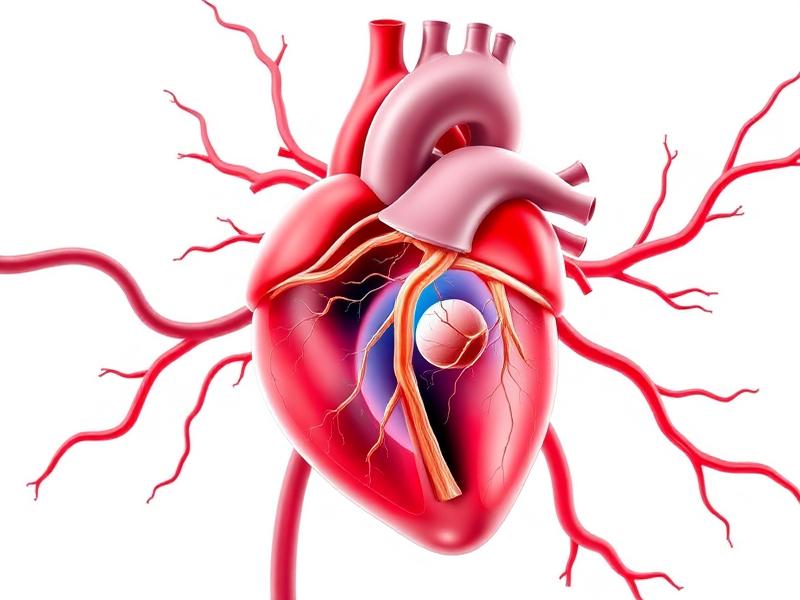
Cardiovascular Benefits: A Deeper Look
While many assume that longer cardio sessions are better for heart health, the evidence suggests otherwise. A 2019 meta-analysis published in the British Journal of Sports Medicine found that HIIT improved cardiorespiratory fitness nearly twice as much as moderate-intensity continuous training when comparing workouts of equal duration.
The intense bursts of activity in HIIT force your heart to work at near-maximum capacity, strengthening the cardiac muscle more effectively than sustained moderate effort. This translates to improved stroke volume, enhanced oxygen utilization, and better overall cardiovascular function.
Key Research Finding
A 12-week study comparing HIIT to steady-state cardio found that the HIIT group showed a 28% greater improvement in VO2 max despite exercising for only half the total time.
Fat Loss: Why Intensity Matters More Than Duration
The traditional approach to fat loss has centered on the "fat-burning zone"—exercising at a moderate intensity where the body primarily uses fat for fuel. However, this perspective misses a crucial point: total caloric expenditure matters more than the source of those calories.

HIIT creates hormonal responses that favor fat oxidation. The intense efforts trigger the release of catecholamines—hormones like adrenaline and noradrenaline that mobilize fatty acids from adipose tissue. Additionally, HIIT has been shown to reduce insulin resistance more effectively than moderate exercise, further supporting fat metabolism.
Time Efficiency: Achieving More in Less Time
Perhaps the most compelling argument for HIIT is its efficiency. In our time-starved modern world, the ability to achieve significant fitness gains in 20-30 minutes is invaluable. A typical HIIT session can burn as many calories as 45-60 minutes of steady-state cardio while providing superior metabolic benefits.
"For the average person who struggles to find time for exercise, HIIT offers a practical solution," notes Dr. Rachel Adams, a sports medicine physician. "You can get meaningful cardiovascular and metabolic benefits with just three 20-minute sessions per week."
Implementing HIIT Safely
While the benefits of HIIT are substantial, the approach requires careful implementation. Beginners should start with a 1:2 or 1:3 work-to-rest ratio, gradually increasing intensity as fitness improves. Adequate recovery between sessions is essential—most experts recommend no more than 3-4 HIIT sessions per week, with at least 48 hours between high-intensity workouts.
- Start with a thorough warm-up of at least 5-10 minutes
- Begin with shorter intense intervals (20-30 seconds) and longer rest periods
- Progress gradually over weeks, not days
- Listen to your body and allow adequate recovery
- Consider working with a certified trainer for proper form
The Verdict
The evidence is clear: for most fitness goals, high-intensity interval training offers superior results compared to traditional steady-state cardio. From enhanced fat oxidation and improved cardiovascular function to greater time efficiency, HIIT represents a paradigm shift in how we approach exercise.
That said, the best exercise is ultimately the one you'll actually do. While HIIT may be more effective on paper, consistency remains the most important factor in any fitness program. For those willing to push their limits, however, the science suggests that embracing intensity could be the key to unlocking their full fitness potential.
Dr. Sarah Mitchell is a certified exercise physiologist and health correspondent for News Journal Herald. She holds a Ph.D. in Exercise Science from Stanford University.